I’ve spent more than two decades watching reel strips, math models, and payout tables across NextGen, NYX, and IGT floors, and the one constant I keep circling back to is how quickly a tempting side proposition turns into dead money. That instinct is exactly why I keep telling punters here that blackjack why insurance is a bad bet deserves a hard look before anyone taps the button. Back in the arvo at a Newcastle club, I watched a regular drop three straight insurance wagers on a dealer ace, then shrug when the hand resolved without a single blackjack paying out. The maths never cares about your gut feeling, and that’s the whole story worth unpacking.
How the Insurance Proposition Actually Works
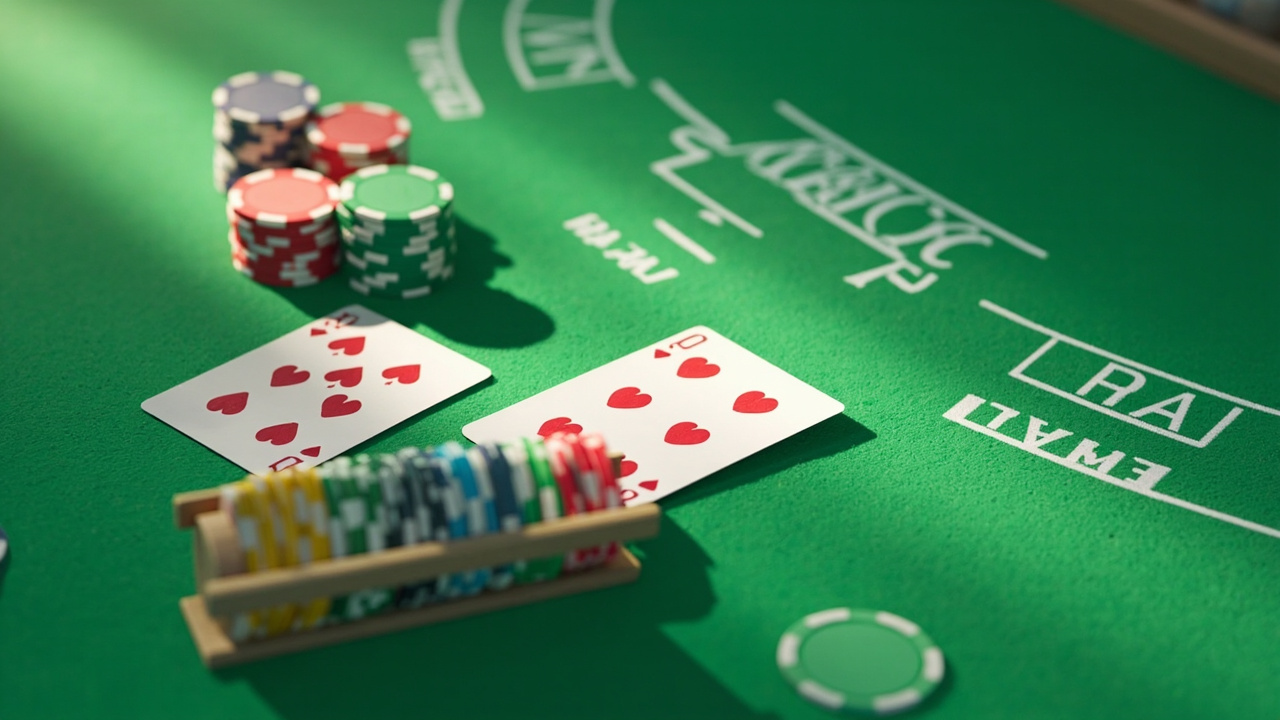
Insurance sits on the felt as a separate wager, usually capped at half your original stake, and it only triggers when the dealer shows an ace. The idea sounds tidy on paper: you’re hedging against that ten-card underneath and softening the blow if the house flips a blackjack. In practice, the payout structure is a straight 2:1 on the insurance amount, which sounds fair until you run the actual card distribution. A standard shoe holds sixteen tens against forty non-tens, so the true odds sit well against you, and the built-in house edge on that side bet runs heavier than the main game. I’ve seen creative strategy decks at NYX try to dress up similar propositions with flashing lights and quick payouts, but the underlying expectation never changes just because the UI looks polished. When you weigh it against a normal blackjack hand, the insurance line is a separate negative-EV bet that doesn’t fold into your basic strategy in any meaningful way. That’s the first reason I keep pointing out that blackjack why insurance is a bad bet is less about superstition and more about arithmetic you can check in thirty seconds. Blackjack Insurance: Smart Choice or Costly
Why the Maths Keeps Working Against You
Card distribution and true odds
A fresh deck or shoe gives you a fixed ratio of ten-value cards to everything else, and that ratio is what drives the real expectation on the insurance line. Sixteen tens out of fifty-two cards means the dealer has roughly a thirty percent chance of holding a ten underneath, not the fifty percent your intuition wants to believe. The 2:1 payout only breaks even at exactly thirty-three point three percent, so you’re already starting behind the curve before any cards hit the table. I’ve run similar edge calculations on IGT paytables during product reviews, and the pattern is identical: a side bet that looks like protection is really just a slower bleed when the distribution stays static. Even when a Newcastle venue runs a six-deck shoe with a few cards already out, the shift in tens remaining rarely flips the expectation positive enough to justify the wager as a habit. You can count the visible cards all afternoon, but the base case still points the same direction.
House edge and expected value
The house edge on insurance sits noticeably higher than the main blackjack line because the payout ratio doesn’t match the true card probability. Expected value turns negative the moment you treat the side bet as routine, and that negative drift compounds over a busy session the same way a loose payline does on a poorly tuned machine. I’ve sat through product planning meetings where creative strategy teams argued that a slick bonus mechanic could mask a weak return, but the numbers don’t negotiate. A quick look at the long-run expectation shows the insurance wager draining chips at a steadier clip than most players realise, especially when they take it on every dealer ace out of habit. That’s why I keep telling people that blackjack why insurance is a bad bet isn’t a vague warning – it’s a repeatable outcome you can see in any honest simulation.
When the bet feels tempting and why it still loses
The temptation usually spikes when you’ve got a strong hand and the dealer’s ace makes you nervous, or when a friend at the table hisses “take it, she’s got it” between sips of a cold drink. That social pressure and the fear of a sudden bust are real, but they’re emotional signals, not mathematical ones. I’ve watched team leaders in floor operations try to coach new dealers through the same moment, and the right call is always the boring one: skip the hedge, play your hand, and let the main game do the work. Even when a shoe runs hot with tens for a few hands, the insurance line still pays off only on that one specific outcome, and the dry spells between those hits are where the edge collects its toll. A quick check of any reasonable strategy chart confirms the same thing, and if you want a deeper walkthrough of the side bet’s costs, you can read a related breakdown on blackjack verzekering nemen before your next session. myfxblogke.com
Player Fit: Who Should Skip It and Who Should Revisit the Hand
If you’re playing for a steady session rather than a quick adrenaline spike, the insurance line rarely earns a seat at your regular strategy. Recreational punters who just want a clean game with straightforward rules are better off treating the main hand as the only real decision and leaving the side bet on the shelf. I’ve seen Newcastle clubs run busy Friday arvos where the tables are packed and the dealers move quick, and that’s exactly when a simple, disciplined approach keeps your bankroll intact longer. The same goes for anyone building a basic strategy routine: adding insurance as a default move just introduces a second negative expectation into the session. Even a modest stake taken on every dealer ace adds up to a noticeable chunk of change over a few hours, and that’s money that could’ve stayed in your pocket instead of feeding a separate line. If you’re the type who likes to track your hands and think in terms of expected value, the insurance wager is an easy one to cross off. The only time it makes sense to revisit the idea is when you’re deliberately playing a specific composition-dependent scenario with full card awareness, and even then you’re usually better off adjusting your main bet size rather than reaching for the hedge.
I still think about that Newcastle arvo and the regular who kept tapping insurance on every dealer ace, convinced the hedge was saving him from a bad beat. He walked away lighter than he sat down, and the dealer’s ace never once turned the side bet into a winning habit. That same image sits in my head whenever I’m asked whether a tempting side proposition is worth chasing: if the maths says it’s a slow bleed, no amount of arvo nerves or friendly advice will turn it into a sound play.